

Unlocking Energy and Vitality.
We’ve all experienced that dreaded mid-day slump, where our brains seem to be running on empty, despite having consumed food and water. While occasional fatigue after a strenuous workout or a stressful day is normal, persistent brain fog and lethargy could be a sign of something more serious – Mitochondrial dysfunction.
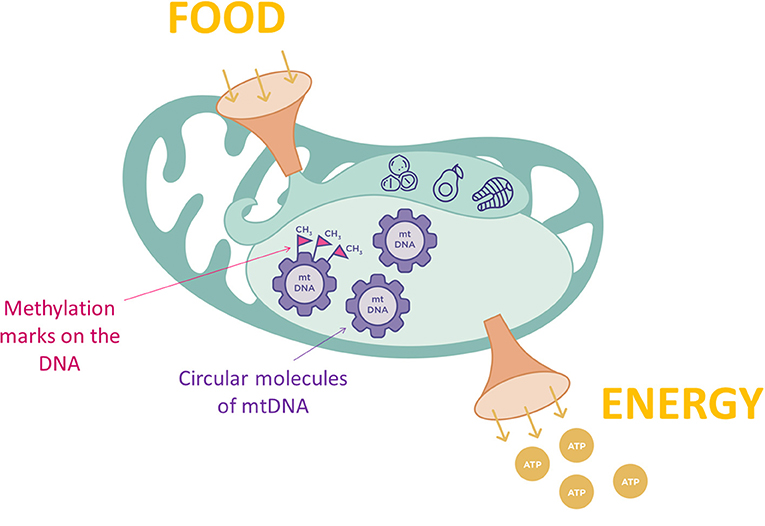
Mitochondria, often referred to as the “powerhouses” of our cells, are responsible for generating the energy currency known as ATP (adenosine triphosphate). This energy fuels countless biochemical reactions essential for life, from muscle contraction and nerve impulse propagation to DNA replication and protein synthesis.
The Root Cause: Lifestyle Factors
The good news is that mitochondrial dysfunction is often a lifestyle issue, which means it can be addressed and potentially reversed within 90 days through targeted interventions. Let’s dive deeper into the causes, symptoms, and solutions for optimizing mitochondrial health.
Causes of Mitochondrial Dysfunction
- Poor Diet: A diet high in processed foods, refined carbohydrates, and unhealthy fats can impair mitochondrial function by increasing oxidative stress and inflammation.
- Sedentary Lifestyle: Lack of physical activity can lead to a decrease in mitochondrial biogenesis (the formation of new mitochondria) and reduced mitochondrial efficiency.
- Chronic Stress: Prolonged exposure to stress hormones like cortisol can damage mitochondria and disrupt their ability to produce energy.
- Environmental Toxins: Exposure to pollutants, heavy metals, and chemicals can contribute to mitochondrial dysfunction by increasing oxidative stress and damaging mitochondrial DNA.
- Nutrient Deficiencies: Deficiencies in essential nutrients like coenzyme Q10, magnesium, and B vitamins can impair mitochondrial function and energy production.
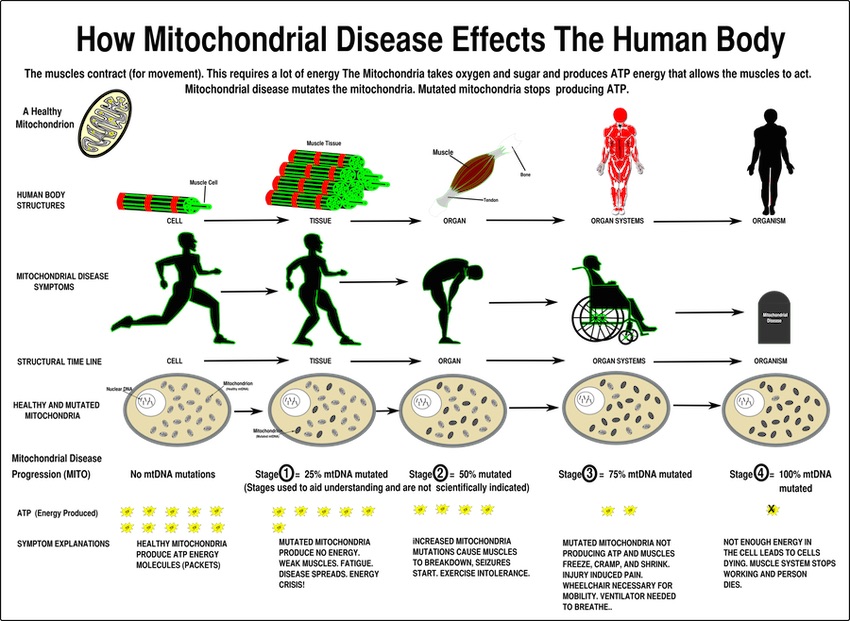
Symptoms of Mitochondrial Dysfunction
- Persistent fatigue and brain fog
- Muscle weakness and exercise intolerance
- Digestive issues and food intolerances
- Hormonal imbalances and thyroid problems
- Neurological issues, such as cognitive decline and mood disorders
- Increased risk of chronic diseases like diabetes, heart disease, and cancer
Ancient Wisdom and Modern Science :
Our ancestors, though unaware of mitochondria, practiced habits that supported mitochondrial health, such as balanced diets and physical activity. These practices were integral to their overall well-being and longevity.
Symbiosis: The Evolutionary Partnership
The theory of symbiosis points that mitochondria originated from ancient bacteria that entered into a symbiotic relationship with early human (eukaryotic) cells. This partnership allowed both the host cells and the bacteria to thrive, leading to the evolution of complex life forms. This symbiotic relationship is not limited to mitochondria; our bodies host trillions of microbes that play crucial roles in our health like the gut bacteria.
The Gut-Brain-Mitochondria Connection :
Recent research has expanded our understanding of mitochondria beyond ATP production. These organelles contain their own DNA, enabling them to produce essential components independently, also involved in cellular signaling, immune responses, and programmed cell death (apoptosis) while synthesizing key hormones, including stress hormones like cortisol and sex hormones such as estrogen and testosterone, which regulate mood, stress responses, and metabolic health.
Reclaiming Your Energy: A 90-Day Mitochondrial Reboot
To optimize mitochondrial health and reclaim your energy levels, consider implementing the following lifestyle changes:
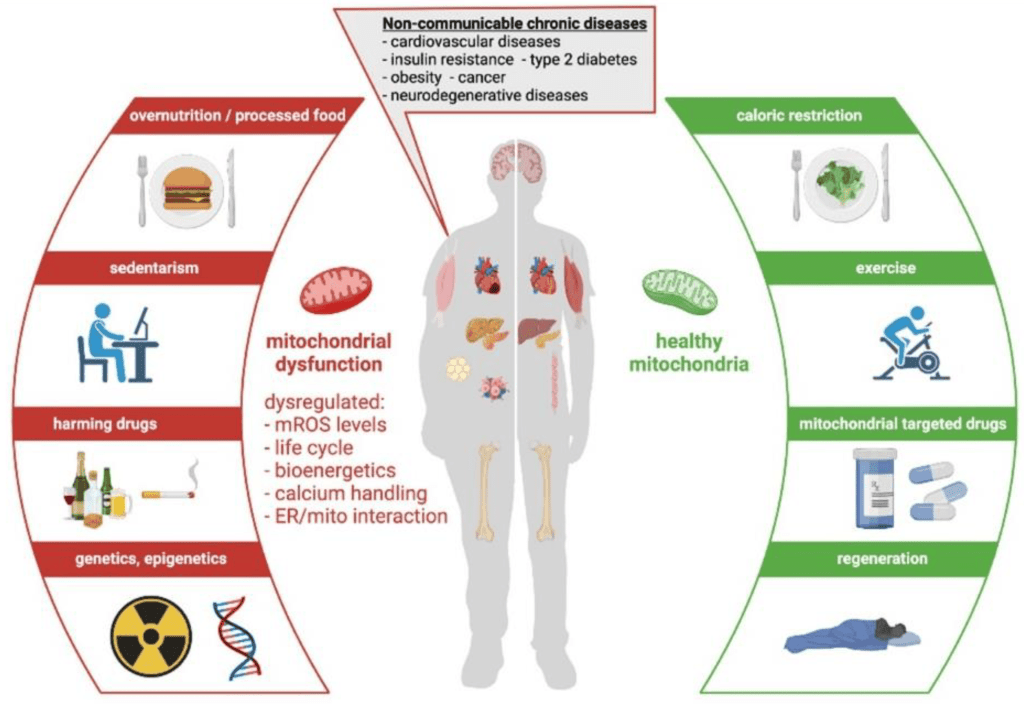
- Adopt a Nutrient-Dense Diet: Focus on whole, unprocessed foods rich in antioxidants, healthy fats, and fiber. Include plenty of vegetables, fruits, nuts, seeds, and lean proteins.( Rich in protien fiber and antioxident whole foods which are phytochemical and phytonutrient rich )
- Incorporate Regular Exercise: Engage in a combination of aerobic (20mins) and resistance training (20mins) to boost mitochondrial biogenesis and improve metabolic flexibility.
- Manage Stress Effectively: Practice stress-reducing techniques like meditation, yoga, deep breathing exercises (10 mins), or engaging in hobbies you enjoy.
- Prioritize Quality Sleep: Aim for 6-8 hours of uninterrupted sleep each night to support mitochondrial repair and regeneration.(the quality of recovery determines the quality of progress)
- Reduce Toxin Exposure: Minimize exposure to environmental pollutants, chemicals, and heavy metals by choosing organic produce, filtering your water, and using natural cleaning products.(go to nature, chose farmers market’s and pasture raised products).
- Consider Targeted Supplementation: Nutrilite Double X(Phytochemical rich Multivitamin), Heart health(CoQ10), Omega 3(fish oil), Nutrilite Organic Turmeric (Natural Antioxidants).
By addressing the underlying lifestyle factors contributing to mitochondrial dysfunction, you can potentially reverse the symptoms and reclaim your energy levels within 90 days. Remember, CONSISTENCY is key, and it may take time to notice significant improvements.
Conclusion :
I truly belive we are are being 3D printend constantly by what we consume to BODY, MIND & HEART. once we start taking ownership of these three things I believe we control our own destiny, and this website is a resource with a mission to help you get there closer, join us in the journey by being part of the #OneEnergyTogether Community and being a torch bearer for your home, family and society.
 #OneEnergyTogether